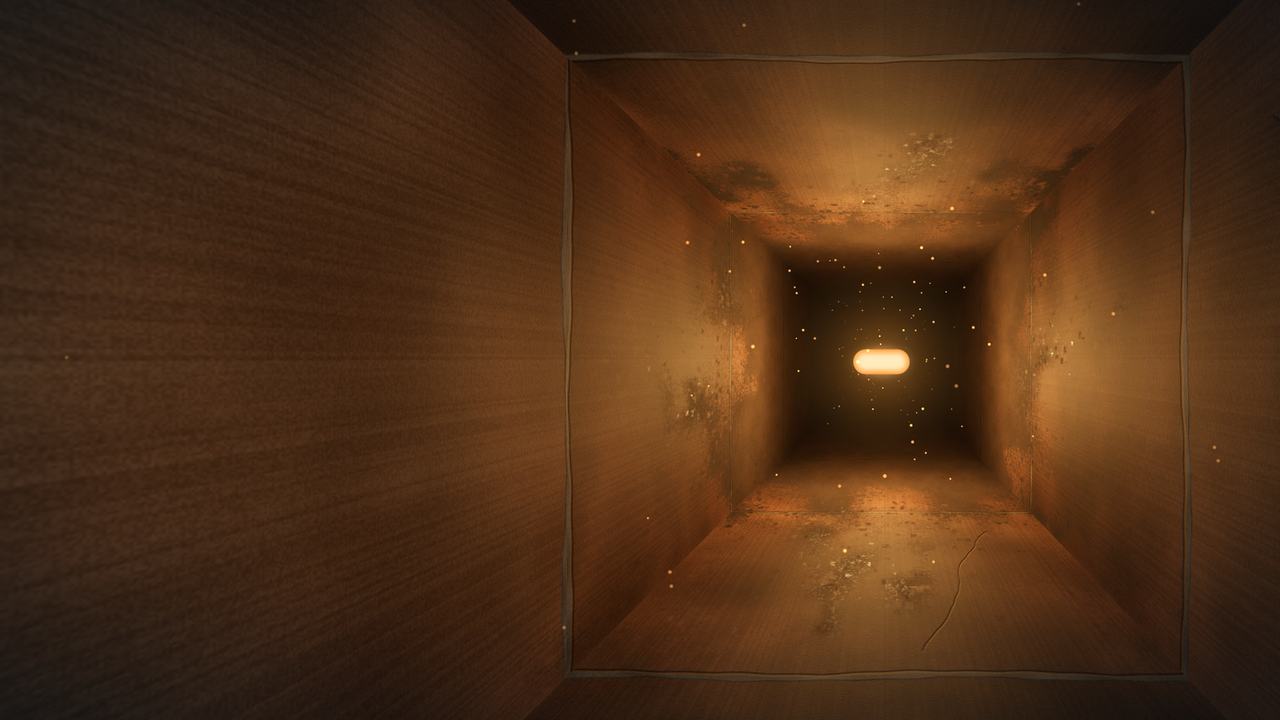
Chimney sweep and cleaning in Buffalo and Rochester, NY
A chimney sweep and cleaning from ChimneY Royal costs $199 and removes soot and creosote buildup. The Chimney Safety Institute of America recommends sweeping a masonry fireplace when sooty buildup reaches 1/8 inch, and sooner if any glaze is present. We serve Buffalo, Rochester and nearby towns. New customers get 15% off.
Chimney sweep and cleaning
$199
Removes soot and creosote buildup.
15% off for new customers. See the whole price list
Signs you need this
It has been a year or more since the chimney was last inspected.
You can see about 1/8 inch of sooty buildup inside the fireplace or flue.
The fireplace smells, most often in humid summer weather.
You burned unseasoned wood or ran slow, smoldering fires last season.
You see shiny, hardened or tar-like deposits. These are forms of creosote.
The heating season is about to start and the chimney has not been checked since last winter.
Included, and not included
Included
- Removal of soot buildup
- Removal of creosote buildup
Not included
- The Level 1 inspection ($69) and the Level 2 inspection ($99). They are separate lines on our price list.
- Repairs. The price of a repair is on request.
What we check
Soot buildup
The Chimney Safety Institute of America says to sweep a masonry fireplace when sooty buildup reaches 1/8 inch.
Creosote buildup
Creosote is the residue that wood smoke leaves on the inside of a chimney. CSIA says it is highly combustible in any form.
Glazed creosote
CSIA describes a shiny, hardened form of creosote, and says to sweep sooner if any glaze is present.
We explain what we see and what it will cost before work starts.
How a visit works
Step 1: Request a visit
Send a request from the booking page. If you are a new customer, tick the new customer box in the form for 15% off, or say so when we call.
Step 2: We call back
After a request, the team calls back as soon as possible to confirm the appointment.
Step 3: Sweep and cleaning
The sweep and cleaning removes soot and creosote buildup.
Step 4: You hear what we found
We go through what we found in plain words.
Step 5: If something needs repair
We recommend the smallest repair that solves the problem. The price of a repair is on request, and nothing starts until you know it.
Do not wait for a visit
Updated
What soot and creosote are
Soot and creosote are what wood smoke leaves behind. The Chimney Safety Institute of America (CSIA) explains it this way: the by-products of burning wood rise into a chimney that is cooler than the fire, they condense there, and the residue that sticks to the inner walls is called creosote.
CSIA describes creosote as black or brown. It can be crusty and flaky, tar-like and sticky, or shiny and hardened, and all of those forms often turn up in the same chimney. Our guide to what creosote is covers the forms in more detail.
Why buildup matters
CSIA says creosote is highly combustible in any form. If enough of it collects and the flue gets hot enough, it can catch and cause a chimney fire. CSIA puts the heat of a chimney fire in a masonry chimney at around 2000 degrees F, which is enough to melt mortar, crack flue tiles and collapse a liner.
The national numbers give a sense of scale. NFPA estimates 13,120 confined chimney or flue fires a year in US homes for 2016 to 2020. Those are fires that started in the chimney or flue and stayed there, and NFPA’s estimate of deaths from them is zero. The same tables estimate 3,010 larger fireplace or chimney fires a year for 2016 to 2020, with 20 deaths and 83 million dollars in direct property damage. Both figures are national estimates of fires reported to municipal fire departments. By those estimates, most reported chimney fires stay inside the chimney or flue. The ones that spread are the reason to keep the deposit thin.
Buildup is not only a fire question. In an article on carbon monoxide from heating systems, CSIA lists soot build-up, along with debris-clogged passageways and nests that obstruct flues, among the problems that need correcting to keep toxic gases out of a house. CSIA also traces the fireplace smell that many people notice in humid summer weather to creosote deposits in the chimney.
How often a chimney needs cleaning
NFPA 211 is the National Fire Protection Association’s standard for chimneys, fireplaces and vents. CSIA quotes it as saying that chimneys, fireplaces and vents shall be inspected at least once a year, and that cleaning, maintenance and repairs shall be done if necessary. Read closely, the yearly item is the inspection. The cleaning follows from what the inspection finds.
CSIA adds its own measure for when to sweep:
- A masonry fireplace: at 1/8 inch of sooty buildup, and sooner if any glaze is present.
- A factory-built fireplace: at any appreciable buildup.
NFPA’s consumer tip sheet is simpler and says to have chimneys cleaned and inspected every year by a qualified professional. New York’s Office of Fire Prevention and Control gave the same yearly advice in a 2023 release.
People often ask for a rule based on the number of fires or cords of wood. CSIA’s measure is different: it is the thickness of the deposit. Our guide on how often a chimney should be cleaned walks through it.
What makes a chimney dirty faster
CSIA names three things that speed up creosote: a restricted air supply, unseasoned wood, and chimney temperatures that are cooler than normal. Guidance published by the US Environmental Protection Agency points the same way. It gives a moisture content of less than 20 percent as the target for wood, and says that unseasoned wood makes more smoke and deposits more creosote, and that for most appliances a smoldering fire is not safe or efficient.
So two households with the same fireplace can need a sweep on very different schedules. Seasoned wood and enough air leave less behind. Unseasoned wood and smoldering fires leave more.
Cold winters in Buffalo and Rochester
The third item on CSIA’s list matters here. The EPA guidance also lists a chimney that is cooler than normal as a cause of creosote buildup, and says that when the outside air is very cold, condensation can occur more readily.
National Weather Service normals for 1991 to 2020 put the normal January low at 19.0 F in both Buffalo and Rochester. NOAA’s 1991 to 2020 normals count 123.7 days a year with a low at or below 32 F in Buffalo and 128.8 in Rochester. In the same normals, the median first fall freeze is October 26 in Buffalo and October 25 in Rochester, and the median last spring freeze is April 24 in both. That is about six months between the two dates.
NFPA says chimneys should be inspected and cleaned each year before they are fired up for the season, and it reports that 46% of home heating equipment fires in 2020 to 2024 happened in December through February. With a median first freeze in late October, early fall is a sensible time to book. An archived CSIA article, captured in 2023, notes that demand for sweep services is highest in fall and advises scheduling as early in the season as possible.
The towns we cover are on the service areas page.
What the $199 covers, and what it does not
Our price list has one line for this service: chimney sweep and cleaning, $199. The scope note is one sentence. It removes soot and creosote buildup. New customers get 15% off: tick the new customer box in the form, or say so when we call. Every price we publish is on the pricing page.
What is not in that line:
- Inspections. The Level 1 inspection ($69) and the Level 2 inspection ($99) are separate lines on the price list. The chimney inspection page compares the two.
- Repairs. The price of a repair is on request, and we explain what we see and what it will cost before work starts. The chimney repair page lists the repair services.
One honest limit. CSIA says a hard or tacky layer of creosote that normal brushing cannot remove may need treatment by a qualified professional with chemical cleaners that change it so it can be removed. Our scope note does not mention that kind of treatment. If we find a deposit like that, we explain what we see and what it will cost before work starts.
That is how every visit goes. After you send a request, the team calls back as soon as possible to confirm the appointment. If something needs fixing, we recommend the smallest repair that solves the problem.
When to call 911, not a sweep
Signs of a chimney fire: get out and call 911. CSIA lists loud cracking and popping, a lot of dense smoke, an intense hot smell, and a low rumbling that people compare to a freight train. Afterward, CSIA advises not using the chimney until it has been swept and evaluated by a qualified chimney professional. If you are booking after a fire, tell us when you book so the scope can be confirmed.
Carbon monoxide alarm: get to fresh air and call 911. Do not stay inside to look for the cause.
For anything that is not an emergency, book a visit and we will call back to confirm.
Questions
How much does a chimney sweep charge?
ChimneY Royal charges $199 for a chimney sweep and cleaning, which removes soot and creosote buildup. New customers get 15% off: tick the new customer box in the form, or say so when we call. Repairs are separate, and the price of a repair is on request.
How often does a chimney really need to be cleaned?
Have it inspected once a year and cleaned when the buildup calls for it. The Chimney Safety Institute of America (CSIA) quotes NFPA 211 as saying chimneys, fireplaces and vents shall be inspected at least once a year, with cleaning done if necessary. CSIA recommends sweeping a masonry fireplace at 1/8 inch of sooty buildup, and sooner if any glaze is present.
What are the signs of a dirty chimney?
Look for about 1/8 inch of sooty buildup, or any shiny glaze, inside the fireplace or flue. CSIA describes creosote as black or brown, and crusty and flaky, tar-like, or shiny and hardened. A fireplace smell that gets worse in humid summer weather also comes from creosote deposits, according to CSIA.
How is a chimney cleaned?
Mechanical sweeping is the method CSIA describes: it removes layers of creosote from the flue surface, and the loosened soot and creosote is then removed from the chimney and fireplace. CSIA says sweeps work with brushes and rods, both hand and mechanically driven. It also says chemical chimney cleaning products alone are not an adequate substitute for mechanical cleaning and inspection. For a hard or tacky layer that normal brushing cannot remove, CSIA says a qualified chimney professional may use chemical cleaners.
What is a chimney sweep?
A chimney sweep is a worker who inspects chimneys as well as cleans them, according to a 2010 US Bureau of Labor Statistics career profile. The profile lists the equipment as rods, wire brushes, a high-powered vacuum and special lighting. The same word names the service: on our price list, the chimney sweep and cleaning removes soot and creosote buildup.
Sources
17 sources
Creosote is the residue that condenses on the inner walls of a chimney. It is black or brown, can be crusty and flaky, tar-like, or shiny and hardened, and is highly combustible in any form. Restricted air supply, unseasoned wood and cooler than normal chimney temperatures speed up buildup. Chimney fires in masonry chimneys burn at around 2000 degrees F. Signs of a chimney fire include loud cracking and popping, a lot of dense smoke, an intense hot smell and a low rumbling sound.
Chimney Safety Institute of America (CSIA), Preventing chimney firescsia.org
NFPA 211 says chimneys, fireplaces and vents shall be inspected at least once a year, with cleaning, maintenance and repairs done if necessary. CSIA recommends sweeping masonry fireplaces at 1/8 inch of sooty buildup, sooner if glaze is present, and factory-built fireplaces at any appreciable buildup. Mechanical sweeping removes creosote from the flue surface and the loosened soot and creosote from the chimney and fireplace. Chemical cleaning products alone are not an adequate substitute for mechanical cleaning and inspection. A hard or tacky layer that brushing cannot remove may be treated by a qualified professional with chemical cleaners. A fireplace smell comes from creosote deposits and is usually worse in summer humidity.
CSIA, Homeowner resourcescsia.org
In an article on carbon monoxide from oil and gas heating systems, CSIA lists soot build-up, debris-clogged passageways and nests that obstruct chimney flues among the problems that need correcting to keep toxic gases from filtering into the house.
After a chimney fire, do not use the chimney until it has been swept and evaluated by a qualified chimney professional. Sweeps are equipped with a variety of brushes and rods, both hand and mechanically driven.
NFPA 211 is the Standard for Chimneys, Fireplaces, Vents, and Solid Fuel-Burning Appliances.
Have heating equipment and chimneys cleaned and inspected every year by a qualified professional.
NFPA, Heating safety tip sheetcontent.nfpa.org
46% of home heating equipment fires in 2020 to 2024 occurred in December through February. Chimneys and heating systems should be inspected and cleaned each year before they are fired up for the season.
Table 1 estimates 13,120 confined chimney or flue fires a year in US homes in 2016 to 2020, with no estimated deaths, and 3,010 non-confined fireplace or chimney fires a year with 20 deaths and 83 million dollars in direct property damage. The figures are national estimates of fires reported to US municipal fire departments.
NFPA Research, Home heating fires: supporting tables (December 2022)content.nfpa.org
EPA's burning guidance gives a moisture content of less than 20 percent for wood, and says that for most appliances a smoldering fire is not safe or efficient.
US EPA Burn Wise, wood-burning practices (historic record, not updated since October 30, 2025)epa.gov
Unseasoned wood produces more smoke, which deposits more creosote. A chimney that is cooler than normal is listed as a cause of creosote buildup: if the outside air temperature is very cold, condensation can occur more readily.
The normal January low is 19.0 F in both Buffalo and Rochester.
National Weather Service Buffalo, 1991 to 2020 climate normalsweather.gov
Buffalo averages 123.7 days a year with a low at or below 32 F and Rochester 128.8. The median first fall freeze is October 26 in Buffalo and October 25 in Rochester, and the median last spring freeze is April 24 in both.
NOAA NCEI, annual climate normals 1991 to 2020 (Buffalo and Rochester stations)ncei.noaa.gov
The state fire office advises having a qualified professional clean and inspect the chimney, vents and heating equipment yearly.
NYS Office of Fire Prevention and Control, household fire prevention tips (2023)dhses.ny.gov
Demand for sweep services is highest in fall, and scheduling as early in the season as possible is advised.
CSIA blog, Seasonal swings in chimney maintenance (archived February 7, 2023)web.archive.org
A sweep works with rods, wire brushes, a high-powered vacuum and special lighting.
US Bureau of Labor Statistics, You're a what? Chimney sweep (2010)bls.gov
When a carbon monoxide alarm sounds, do not look for the source. Move outside to fresh air immediately and call emergency services, the fire department or 911.
US Consumer Product Safety Commission, Carbon monoxide questions and answerscpsc.gov
On signs of a chimney fire, get everyone out of the house quickly and call 911.
Portland Fire and Rescue, Chimney and wood stove safetyportland.gov
Ready for winter, crown to hearth.
A sweep and cleaning that removes soot and creosote buildup from your chimney, at a published price of $199.
Book a visit
After a request, the team calls back as soon as possible to confirm the appointment.
Your request was not sent.
Check the form and send it again. We need your name, a phone number or an email, and your confirmation at the end.
It has not reached us yet. If it still does not go through, reach us directly.
Your request was sent. See what happens next