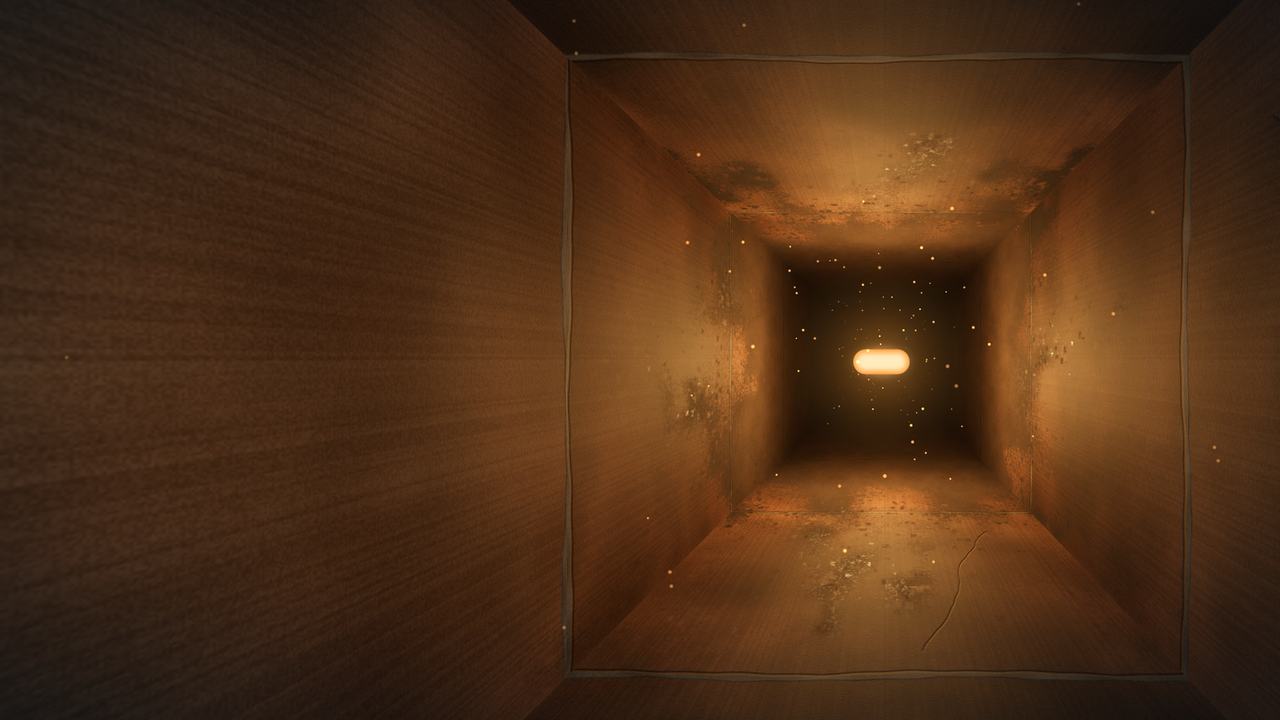
Chimney inspection in Buffalo and Rochester, NY: Level 1 and Level 2
ChimneY Royal offers two chimney inspections in Buffalo and Rochester. Level 1 costs $69: a basic visual inspection of the readily accessible chimney and fireplace components. Level 2 costs $99 and adds an internal camera examination where accessible. For a sale, a new appliance or after a fire, tell us when you book so the scope can be confirmed.
Level 1 chimney inspection
$69
Basic visual inspection of the readily accessible chimney and fireplace components, checking for visible damage, deterioration and safety concerns. No internal camera inspection is included.
Level 2 chimney inspection
$99
Visual assessment plus an internal camera examination where accessible, and an evaluation for visible signs of water intrusion, leaks and masonry deterioration. It is not a comprehensive leak test and does not guarantee that a leak will be found.
15% off for new customers. See the whole price list
Signs you need this
The chimney has not been inspected in the past twelve months.
The fireplace is rarely used, so nobody has looked at the chimney in years.
You moved in recently and do not know the chimney's history.
You see signs of water near the chimney, or mortar that is crumbling.
A gas furnace or another gas appliance vents into the chimney and the flue has not been checked.
You are selling or buying a home, changing an appliance, or have had a chimney fire. Tell us when you book so the scope can be confirmed.
Included, and not included
Included
- Level 1 ($69): basic visual inspection of the readily accessible chimney and fireplace components
- Level 1 ($69): checking for visible damage, deterioration and safety concerns
- Level 2 ($99): visual assessment plus an internal camera examination where accessible
- Level 2 ($99): an evaluation for visible signs of water intrusion, leaks and masonry deterioration
Not included
- Level 1: no internal camera inspection is included.
- Level 2: it is not a comprehensive leak test and does not guarantee that a leak will be found.
- The chimney sweep and cleaning. It is a separate line on our price list at $199.
- Repairs. The price of a repair is on request.
- A Level 3 inspection, which reaches concealed parts of a chimney or building. It is beyond these two.
What we check
Level 1: accessible components
A basic visual inspection of the readily accessible chimney and fireplace components.
Level 1: visible problems
Checking for visible damage, deterioration and safety concerns. No internal camera inspection is included.
Level 2: visual assessment
The Level 2 inspection is a visual assessment plus the two items below.
Level 2: internal camera where accessible
An internal camera examination where accessible.
Level 2: signs of water
An evaluation for visible signs of water intrusion, leaks and masonry deterioration. It is not a comprehensive leak test and does not guarantee that a leak will be found.
We explain what we see and what it will cost before work starts.
How a visit works
Step 1: Request a visit
Send a request from the booking page and say which inspection you want. If it is for a sale, a new appliance or after a fire, say so when you book so the scope can be confirmed.
Step 2: We call back
After a request, the team calls back as soon as possible to confirm the appointment.
Step 3: The inspection
Level 1 is a basic visual inspection of the readily accessible chimney and fireplace components. Level 2 is a visual assessment plus an internal camera examination where accessible.
Step 4: You hear what we found
We go through what we found in plain words.
Step 5: You decide
If a repair is needed, we recommend the smallest repair that solves the problem. The price of a repair is on request, and nothing starts until you know it.
Do not wait for a visit
Updated
Two inspections, two scope notes
Both inspections are on our price list. Each has a scope note. Word for word:
- Level 1 chimney inspection, $69. Basic visual inspection of the readily accessible chimney and fireplace components, checking for visible damage, deterioration and safety concerns. No internal camera inspection is included.
- Level 2 chimney inspection, $99. Visual assessment plus an internal camera examination where accessible, and an evaluation for visible signs of water intrusion, leaks and masonry deterioration. It is not a comprehensive leak test and does not guarantee that a leak will be found.
The new-customer offer is 15% off. Tick the new customer box in the form, or say so when we call.
What the levels mean in NFPA 211
The level names come from NFPA 211, the National Fire Protection Association’s standard for chimneys, fireplaces and vents. The Chimney Safety Institute of America (CSIA) reported that the three levels were adopted into the standard in January 2000. What follows is CSIA’s description of them for homeowners.
- Level 1 is for a chimney in continued service: same appliance, used the same way. It examines the readily accessible portions of the chimney exterior and interior and the accessible portions of the appliance and the chimney connection. The aim is to check basic soundness and to confirm the chimney is free of obstructions and combustible deposits. Readily accessible means reachable without tools to open or remove doors, panels or coverings. CSIA’s procedure for sweeps adds that a video scan is not a mandatory part of a Level 1.
- Level 2 is what CSIA says the standard requires in three cases: when the system is changed (a different fuel, a relined flue, or an appliance of a different type, input, rating or efficiency), when a property is sold or transferred, and after a malfunction or outside event likely to have damaged the chimney. CSIA names building fires, chimney fires, earthquakes and weather events. It includes everything in Level 1, plus a visual inspection of the internal surfaces and joints of the flue liners by video scan or other means, plus the accessible parts of the chimney in attics, crawl spaces and basements. Nothing permanently attached is removed.
- Level 3 is recommended when a Level 1 or Level 2 suggests a hidden and serious hazard that cannot be judged without reaching concealed areas. It can mean removing parts of the chimney or the building where necessary.
One detail on wording. CSIA’s homeowner page says a Level 2 is required on a sale, and its 2019 procedure for sweeps says recommended. Either way, the wording belongs to the standard and to CSIA, not to us. Our guide to chimney inspection levels goes through the three levels at more length.
Our scope and the standard are not the same thing
Our two inspections carry the same level names, and the scope notes above say what each one includes. Put our $99 note next to CSIA’s description and you will see a difference. The standard’s Level 2, as CSIA describes it, reaches into accessible attics, crawl spaces and basements. Our note lists a visual assessment, an internal camera examination where accessible, and an evaluation for visible signs of water intrusion, leaks and masonry deterioration.
So we ask one thing. If you need an inspection for a sale, a new appliance or after a fire, tell us when you book so the scope can be confirmed. It is better to settle that up front than to learn later that someone expected something else.
Which inspection fits your situation
- Nothing has changed and you use the chimney as before. The Level 1 inspection ($69) is the basic visual inspection. It has no camera.
- You want the inside of the flue looked at, or you have noticed signs of water. The Level 2 inspection ($99) adds the internal camera examination where accessible and the evaluation for visible signs of water intrusion, leaks and masonry deterioration.
- You moved in recently. CSIA suggests asking for a Level 2 inspection if you have just moved in or it has been a while since the chimney was inspected. That is CSIA’s description of the level. Tell us it is a recent purchase when you book so the scope can be confirmed. Our guide to buying a house with a fireplace covers what to ask.
- A sale, a new appliance or a fire is the reason. Tell us when you book so the scope can be confirmed.
- You already know something is broken. Start with the chimney repair page, or book a visit. The price of a repair is on request, and we explain what we see and what it will cost before work starts.
- The chimney needs cleaning. The chimney sweep and cleaning is a separate line on the price list at $199.
Why a camera matters: CSIA notes that a home inspector does not look at the interior of a flue beyond what a flashlight shows. An archived CSIA FAQ, captured in 2023, adds that flues are allowed offsets of up to 30 degrees, which in most cases makes it impossible to see the flue directly.
Old houses, gas heat and winters that thaw
The houses are old. Census Bureau estimates for 2020 to 2024 show that 61.0% of housing units in the City of Buffalo and 53.7% in the City of Rochester were built in 1939 or earlier. The national figure is 11.7%.
Most homes heat with gas. The same survey shows utility gas as the main heating fuel in 86.8% of occupied homes in Erie County and 74.6% in Monroe County, against 46.5% nationally. CSIA says chimneys that serve gas appliances should be checked too, because nests or debris can block the flue and modern furnaces can have trouble venting into flues meant for older ones. New York’s 2025 Residential Code says, in its fuel gas chapter, that before an existing appliance is replaced or a vent connector is connected to a chimney, the chimney passageway shall be examined to make sure it is clear and free of obstructions. A code official decides how that applies to a given job. It is one more reason to tell us about a new appliance when you book.
Winters freeze and thaw. The National Weather Service describes winters in both the Buffalo and Rochester areas as changeable, with frequent thaws. NOAA’s 1991 to 2020 normals count 123.7 days a year with a low at or below 32 F in Buffalo and 128.8 in Rochester. A US Department of Housing and Urban Development inspection guide from 2000 points out that chimneys are more exposed to the weather than most parts of a building, and that a deteriorated top lets water into the masonry below and exposes it to freeze-thaw cycles. Our repairs are planned with Western New York freeze and thaw cycles in mind. The guide to chimney leaks and freeze and thaw explains the mechanism.
What an inspection will not tell you
- The Level 1 inspection includes no internal camera inspection.
- The Level 2 inspection is not a comprehensive leak test and does not guarantee that a leak will be found. Water that shows up near a chimney does not always come from the chimney. An archived CSIA article, captured in 2023, notes that damaged or overflowing gutters and downspouts that empty near a chimney can be the cause.
- A Level 3 inspection, the kind that reaches concealed parts of a chimney or building, is beyond these two.
- Repairs. The inspection tells you what we see. The price of a repair is on request and is not part of the $69 or $99 line.
If an inspection does find a problem, we explain what we see and what it will cost before work starts, and we recommend the smallest repair that solves the problem. Repairs are covered on the chimney repair page.
When not to wait for an appointment
Gas smell: leave the house and call the gas utility or 911. Do not try to find or fix the leak yourself.
Carbon monoxide alarm: get to fresh air and call 911.
Signs of a chimney fire: get out and call 911. The signs CSIA describes are a loud cracking and popping noise, dense smoke, an intense hot smell and a low rumble. A chimney that has had a fire should stay out of use until a qualified chimney professional has swept and evaluated it, CSIA says, because fire damage often cannot be seen from above or below. An inspection after a fire is one of the cases where you tell us when you book so the scope can be confirmed.
For everything else, book a visit and the team will call back as soon as possible to confirm the appointment.
Questions
How much does it cost to have someone inspect your chimney?
At ChimneY Royal a Level 1 chimney inspection is $69 and a Level 2 chimney inspection is $99. Level 1 is a basic visual inspection with no internal camera inspection included. Level 2 adds an internal camera examination where accessible. New customers get 15% off: tick the new customer box in the form, or say so when we call.
What is done during a chimney inspection?
Our Level 1 is a basic visual inspection of the readily accessible chimney and fireplace components, checking for visible damage, deterioration and safety concerns. Our Level 2 is a visual assessment plus an internal camera examination where accessible, and an evaluation for visible signs of water intrusion, leaks and masonry deterioration. With either one, we explain what we see and what it will cost before work starts.
What is the difference between a level 1 and a level 2 chimney inspection?
On our price list the difference is the camera and the look for water. Level 1 ($69) includes no internal camera inspection. Level 2 ($99) adds an internal camera examination where accessible and an evaluation for visible signs of water intrusion, leaks and masonry deterioration. In NFPA 211, as the Chimney Safety Institute of America describes it, a Level 2 also covers accessible attics, crawl spaces and basements. Our scope note does not list those.
Do I need a level 2 chimney inspection?
It depends on why you want the inspection. The Chimney Safety Institute of America (CSIA) says NFPA 211 calls for a Level 2 when the system is changed, when a property is sold or transferred, and after a malfunction or an event likely to have damaged the chimney, such as a chimney fire. That requirement belongs to the standard, not to our $99 line, whose scope is the one on our price list. If one of those is your reason, tell us when you book so the scope can be confirmed. For a chimney used the same way as before, CSIA describes Level 1 as the minimum.
What is a level 3 chimney inspection?
It is the level that reaches concealed parts of a chimney. CSIA describes Level 3 as recommended when a Level 1 or Level 2 suggests a hidden and serious hazard that cannot be evaluated otherwise, and says it can mean removing parts of the chimney or the building where necessary. It is beyond the two inspections on this page.
Is a chimney inspection worth it?
A yearly inspection is what NFPA 211 calls for, according to CSIA, which quotes the standard as saying chimneys, fireplaces and vents shall be inspected at least once a year. CSIA adds that this applies even to a chimney that is used very little, because animals may nest in the flue or the chimney may have deteriorated. Our Level 1 inspection is $69, and we explain what we see and what it will cost before any work starts.
Can you inspect a chimney yourself?
You can look at what is in plain view, but that does not show the inside of the flue. An archived CSIA FAQ, captured in 2023, notes that flues are allowed offsets of up to 30 degrees, which in most cases makes direct viewing of the flue impossible, so a video scan is needed to evaluate it. CSIA also says a home inspector does not look at the interior of a flue beyond what a flashlight shows.
Sources
19 sources
Level 1 is recommended for a chimney under continued service and examines the readily accessible portions of the chimney, appliance and chimney connection. Level 2 is required when the system is changed, upon sale or transfer of a property, and after a malfunction or external event likely to have damaged the chimney. It adds a visual inspection of flue liner surfaces and joints by video scan or other means and covers accessible attics, crawl spaces and basements, with no removal of permanently attached parts. Level 3 is recommended when a hidden and serious hazard is suspected and can include removing components. CSIA suggests a Level 2 if you have just moved in, and says a home inspector does not look at the flue interior beyond what a flashlight shows.
Chimney Safety Institute of America (CSIA), Levels of inspectioncsia.org
Video scanning is not a mandatory part of a Level 1 inspection.
CSIA standard operating procedure, Level 1 inspection, masonry chimney (2019)web.csia.org
CSIA's procedure for sweeps says a Level 2 inspection is recommended when a property is being sold.
CSIA standard operating procedure, Level 2 inspection, masonry chimney (2019)web.csia.org
The National Fire Protection Association adopted the three levels of inspection into NFPA 211 on January 13, 2000.
CSIA news release, March 15, 2000web.csia.org
NFPA 211 is the Standard for Chimneys, Fireplaces, Vents, and Solid Fuel-Burning Appliances.
NFPA 211 says chimneys, fireplaces and vents shall be inspected at least once a year. This applies even to a little-used chimney, because animals may nest in the flue or deterioration may make it unsafe. Chimneys serving gas appliances should be checked too, because nests or debris can block the flue and modern furnaces can have problems venting into flues meant for older furnaces.
CSIA, Homeowner resourcescsia.org
Flues are allowed to have offsets of up to 30 degrees, which in most cases makes direct visual observation of the flue impossible, so a video scan is needed to evaluate the flue.
CSIA, FAQ page (archived June 10, 2023)web.archive.org
After a chimney fire, do not use the chimney until it has been swept and evaluated by a qualified chimney professional. Damage often cannot be seen from above or below.
Signs of a chimney fire include loud cracking and popping, a lot of dense smoke, an intense hot smell and a low rumbling sound.
CSIA, Preventing chimney firescsia.org
Damaged or overflowing gutters, and downspouts that discharge near the chimney, can cause water to show up in areas related to the chimney.
CSIA blog, Rain water and common chimney issues in spring (archived January 27, 2023)web.archive.org
61.0% of housing units in the City of Buffalo and 53.7% in the City of Rochester were built in 1939 or earlier, against 11.7% in the United States. Utility gas is the main heating fuel in 86.8% of occupied homes in Erie County and 74.6% in Monroe County, against 46.5% nationally.
US Census Bureau, American Community Survey 2020 to 2024, table DP04data.census.gov
Section G2427.5.5, in the fuel gas chapter, says that before an existing appliance is replaced or a vent connector is connected to a chimney, the chimney passageway shall be examined to ascertain that it is clear and free of obstructions.
2025 Residential Code of New York State, Chapter 24 Fuel gascodes.iccsafe.org
Winters in Western New York are generally cloudy, cold and snowy but changeable, with frequent thaws.
National Weather Service Buffalo, Buffalo climate narrativeweather.gov
The Rochester narrative describes winters the same way: changeable, with frequent thaws.
National Weather Service Buffalo, Rochester climate narrativeweather.gov
Buffalo averages 123.7 days a year with a low at or below 32 F and Rochester 128.8.
NOAA NCEI, annual climate normals 1991 to 2020 (Buffalo and Rochester stations)ncei.noaa.gov
Chimneys have greater exposure to the weather than most building elements. Masonry near the top deteriorates when a deteriorated cap, the mortar top of the chimney, allows water into the masonry below and exposes it to freeze-thaw cycles.
US Department of Housing and Urban Development, Residential rehabilitation inspection guide (2000)huduser.gov
Crumbling mortar, mortar with voids and cracks in the mortar are conditions that call for repointing.
Brick Industry Association, Technical Notes 46, Maintenance of brick masonry (2017)gobrick.com
When a carbon monoxide alarm sounds, move outside to fresh air immediately and call emergency services, the fire department or 911.
US Consumer Product Safety Commission, Carbon monoxide questions and answerscpsc.gov
On signs of a chimney fire, get everyone out of the house quickly and call 911.
Portland Fire and Rescue, Chimney and wood stove safetyportland.gov
Ready for winter, crown to hearth.
A Level 1 visual inspection for $69, or a Level 2 inspection with an internal camera where accessible for $99.
Book a visit
After a request, the team calls back as soon as possible to confirm the appointment.
Your request was not sent.
Check the form and send it again. We need your name, a phone number or an email, and your confirmation at the end.
It has not reached us yet. If it still does not go through, reach us directly.
Your request was sent. See what happens next