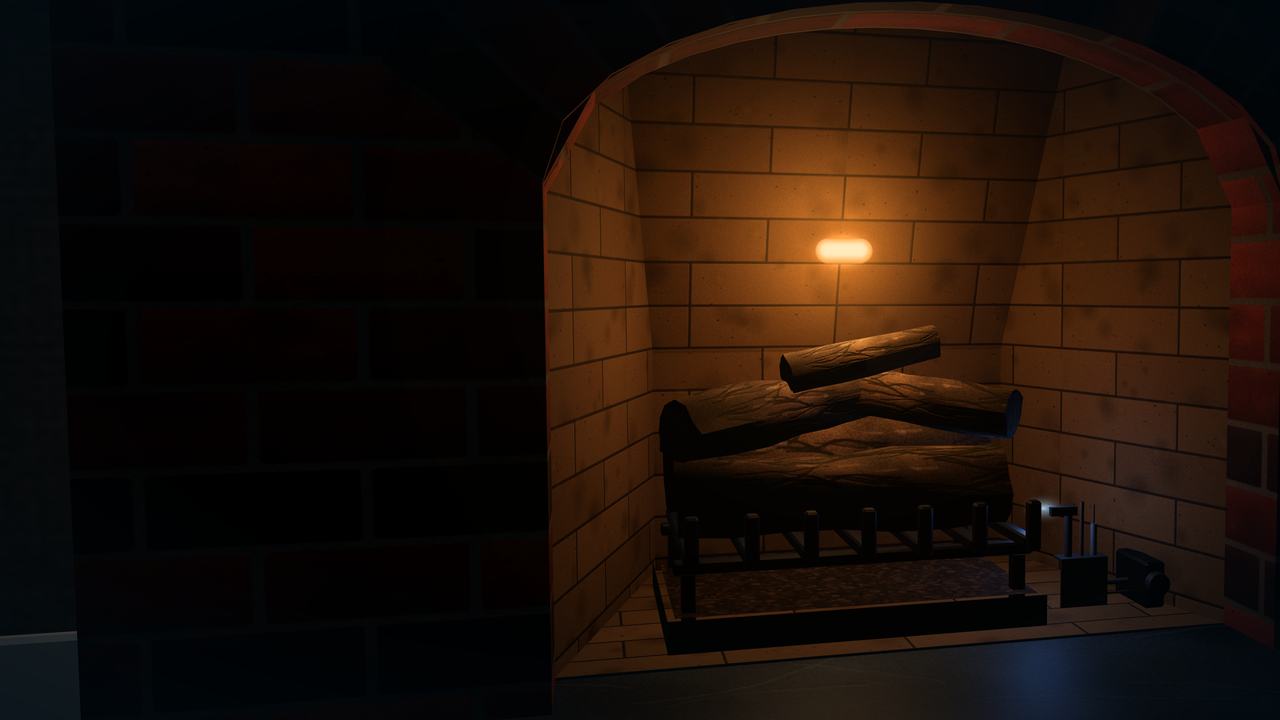
Gas fireplace inspection in Buffalo and Rochester, NY
A gas fireplace inspection from ChimneY Royal is a check of the burner, logs, pilot, controls and venting. Fireplace makers such as Heat & Glo and Regency call for a professional inspection at least once a year. Priced on request. We serve Buffalo, Rochester and nearby towns.
Gas fireplace inspection
Price on request
Check of burner, logs, pilot, controls and venting.
How you get the price: ask in your request, on a call or on WhatsApp. We explain what it will cost before work starts.
15% off for new customers. See the whole price list
Signs you need this
It has been a year or more since a professional last looked at the fireplace.
The flames look unusual, or there is an odd odor that is not a gas smell (a gas smell means leave the house and call the gas utility or 911).
The pilot will not stay lit after several tries.
Soot is building up in the fireplace.
Paint on the outside of the fireplace is peeling or bubbling.
You bought a house with a gas fireplace and do not know when it was last inspected.
Included, and not included
Included
- A check of the burner
- A check of the logs
- A check of the pilot
- A check of the controls
- A check of the venting
- A plain explanation of what we see, and of what anything further will cost, before work starts
Not included
- A Level 1 or Level 2 chimney inspection. Those are separate services on the price list.
- A chimney sweep and cleaning. That is a separate service.
- Work beyond the check. Anything further is explained and priced before it starts.
- A confirmed scope for a home sale, a new appliance or a fire, unless you tell us when you book.
- A gas smell or a carbon monoxide alarm. Those are calls to the gas utility or 911, not a booking.
What we check
The burner
Why it is on the list: Heat & Glo's owner manual names plugged burner ports as something a yearly service looks for.
The logs
Why they are on the list: the same manual's yearly log check looks for damaged or missing logs, and for correct placement with no flame touching a log and causing soot.
The pilot
Why it is on the list: Heat & Glo's manual lists the pilot flame's pattern and strength as a yearly check.
The controls
Why they are on the list: the Heat & Glo manual's yearly service list includes the control compartment, where dust, cobwebs and pet hair collect.
The venting
Why it is on the list: the manual names bird nests, leaves and snow among the things that can block a vent termination cap.
We explain what we see and what it will cost before work starts.
How a visit works
Step 1: Send a request
Use the booking form and tell us it is a gas fireplace. If you need the inspection for a home sale, a new appliance or after a fire, say so when you book so the scope can be confirmed.
Step 2: We call you back
After a request, the team calls back as soon as possible to confirm the appointment. The price is given on request, so ask for it on that call. New customers get 15% off: tick the new customer box in the form, or say so when we call.
Step 3: The check
The inspection is a check of the burner, logs, pilot, controls and venting.
Step 4: You hear what we found
We go through what we found in plain words. If something needs a repair, we recommend the smallest repair that solves the problem, and nothing starts until you know its cost.
Do not wait for a visit
Updated
What a gas fireplace inspection is
Our gas fireplace inspection is a check of the burner, logs, pilot, controls and venting. Those five things are the scope. The price is given on request, so ask for it when you book a visit.
If you searched for gas fireplace service, know that this visit is an inspection: a check of those five things. If the check turns up a problem, we explain what we see and what it will cost before work starts.
Why a gas fireplace still needs a yearly look
It is easy to assume a gas fireplace needs no attention. The Chimney Safety Institute of America agrees that gas is generally a clean-burning fuel, then adds the catch: a chimney that serves a gas appliance can still be blocked by bird nests or other debris.
The companies that build gas fireplaces are more direct:
- Heat & Glo’s owner manual calls for an inspection at least annually by a professional service person.
- Regency says the appliance and its venting system must be inspected at least annually by a qualified service person.
- The Hearth, Patio & Barbecue Association (HPBA) says to have a technician check the gas lines, clean the burner and the control compartment, and check for condensation annually.
One of the region’s gas utilities says the same about gas equipment in general. National Fuel tells customers to have the chimney, appliances and heating equipment inspected and tested by a qualified professional every year.
These are recommendations from the makers and the utility. We are not quoting a law.
Why these five parts
The notes below are general knowledge about gas fireplaces, taken from makers’ manuals. They explain why each part is worth checking. Your own model’s manual is the reference for your unit.
- Burner. Heat & Glo’s manual names plugged burner ports as something a yearly service looks for.
- Logs. The manual’s yearly log check looks for damaged or missing logs. It also confirms that the logs are placed correctly, with no flame touching a log and causing soot.
- Pilot. Heat & Glo’s manual lists the pilot flame’s pattern and strength as a yearly check. Regency explains that if the pilot flame goes out, the valve shuts down and the fireplace turns off. It calls that a safety feature.
- Controls. The control compartment collects dust, cobwebs and pet hair, according to the Heat & Glo manual. The same list has a technician confirm that the burner lights without delay.
- Venting. The manual names bird nests, leaves and snow among the things that can block the termination cap outside, and it lists a look at the cap as a seasonal check. Regency says a venting check also looks at corrosion, excessive condensation, fittings and joint connections.
What the symptoms can mean
These come from makers’ manuals and care pages, and from HPBA. None of them is a repair guide. Where a row describes a fault, the next step is to have the fireplace looked at.
| What you notice | What a source says about it |
|---|---|
| The pilot will not stay lit | Regency’s manual says that after several tries you should stop and call a service technician or the gas supplier. |
| Soot building up | Heat & Glo’s manual ties sooting to flame touching the logs, and has the technician verify log placement every year. |
| Unusual odors or unusual flames | HPBA says these are often a sign the fireplace is not operating properly. A gas smell is different: see the last section. |
| Peeling or bubbling paint on the unit | Regency says it may be a sign the fireplace is not operating correctly, and that a professional should inspect it. |
| A white film on the glass | Regency says water vapor and combustion by-products condense on the glass, and that the film can etch the glass for good if it is left. |
| Fog on cold glass at start-up | Heat & Glo’s manual says the condensation disappears as the glass warms. |
| Odor from a new unit | Heat & Glo’s manual says a new fireplace may release an odor for the first several hours, as the paint cures and oils left from manufacturing burn off. |
Our guide to a pilot light that will not stay lit goes further into the first row.
Direct vent, natural vent and vent-free
It helps to know which kind you have, and to tell us when you book.
- Direct vent. Heat & Glo describes it as a sealed system that draws outside air for the fire and sends all exhaust outside.
- Natural vent, also called B-vent. In the same description it is not sealed: it draws air from the room, and the exhaust goes up a pipe through the roof.
- Vent-free. It has no vent to the outside. The New York State Department of Health says unvented gas heaters release combustion products directly into the home.
Vent-free heaters come with limits in New York’s residential code: they may not be the only source of heat in a home, they are capped at 40,000 Btu per hour, and they must have a safety shutoff that senses low oxygen. The Department of Health says not to use one as the main heat source and to have it serviced at least once a year. Your local code office can tell you how the rules apply to your house.
The glass stays hot
The glass front of a gas fireplace gets hot, and it stays hot after the fire is off. HPBA says cooling down can take an hour or more.
Since January 1, 2015, new glass-fronted gas fireplaces whose glass tests above the standard’s limit must come with a protective barrier. Units made before that date may have none. If yours has a barrier, Heat & Glo’s manual says not to run the fireplace with it removed. If yours has none, HPBA urges owners to consider a protective screen, and to check first that the fireplace maker approves it.
Gas fireplaces in Buffalo and Rochester winters
Most homes around Buffalo and Rochester heat with gas. Utility gas is the main heating fuel in 86.8 percent of occupied homes in Erie County and 74.6 percent in Monroe County, according to the Census Bureau’s American Community Survey for 2020 to 2024.
Snow is the local factor for venting. Normal snowfall is 95.4 inches a year in Buffalo and 102.0 inches in Rochester, by the National Weather Service’s 1991 to 2020 normals. Snow is on the list of blockages Heat & Glo’s manual names at the vent cap. National Fuel tells customers to clear snow and ice from appliance exhaust and intake air vents, and the National Fire Protection Association says to make sure the fireplace vent is clear of snow build-up during and after a storm.
New York also requires an operable carbon monoxide detector in homes that have appliances that may emit carbon monoxide. The state fire code’s definition of a carbon monoxide source includes gas-fueled appliances such as fireplaces. The Consumer Product Safety Commission says an alarm is no substitute for keeping appliances in good order.
What the price covers and what it does not
The price covers the check of the burner, logs, pilot, controls and venting, and a plain explanation of what we see. It is given on request. New customers get 15% off: tick the new customer box in the form, or say so when we call.
What it does not cover:
- A chimney inspection. The Level 1 and Level 2 chimney inspections are separate services with their own prices on the price list.
- Work beyond the check. We explain what we see and what it will cost before work starts, and we recommend the smallest repair that solves the problem.
- A special purpose, unless you tell us. If you need an inspection for a home sale, a new appliance or after a fire, say so when you book so the scope can be confirmed.
When to call someone right away
Two situations are not for a booking form.
You smell gas. Leave the house and call the gas utility or 911. National Fuel, one of the gas utilities in this region, tells customers to leave the premises immediately and to make the call from a different location. Its emergency line is answered 24 hours a day. Do not try to fix anything yourself.
A carbon monoxide alarm sounds. Get to fresh air and call 911.
Book an inspection only after the utility or the fire department has dealt with it, and tell us what happened when you book.
Questions
How much does it cost to get a gas fireplace inspected?
Our gas fireplace inspection is priced on request. To get the price, send a request, call or message us on WhatsApp and say it is for a gas fireplace inspection. After a request, the team calls back as soon as possible to confirm the appointment, and that call is the time to ask. We explain what it will cost before work starts. New customers get 15% off: tick the new customer box in the form, or say so when we call.
Do you need to have gas fireplaces inspected?
The companies that make them say yes. Heat & Glo's owner manual calls for an inspection at least annually by a professional service person, and Regency says the appliance and its venting system must be inspected at least annually by a qualified service person. National Fuel also tells customers to have appliances and heating equipment inspected by a qualified professional every year.
How often should a gas fireplace be serviced?
Once a year. Heat & Glo and Regency both say at least annually, and the Hearth, Patio & Barbecue Association says to have a technician check the appliance annually. One maker, Regency, also suggests having the venting inspected twice a year. Your own model's manual gives the schedule for your unit.
Who do I call to come check my gas fireplace?
For a yearly check you can book with us: our inspection is a check of the burner, logs, pilot, controls and venting. For a gas smell, do not book anything. Leave the house and call the gas utility or 911.
What is the most common problem with a gas fireplace?
The makers' manuals we read do not rank problems by how common they are. The ones they describe include a pilot that will not stay lit, sooting, and a white film on the glass. The first two are reasons to have the fireplace looked at instead of adjusting it yourself.
What is included in a gas fireplace service?
Our inspection is a check of the burner, logs, pilot, controls and venting. For comparison, the yearly technician list in Heat & Glo's owner manual covers the logs, the pilot and burner, the control compartment and the firebox, along with the glass and its gasket. The same manual lists the vent termination cap as a seasonal check. If you want something specific looked at, tell us when you book.
What maintenance is required for a gas fireplace?
Makers ask for a professional inspection at least once a year. Regency says homeowners should not do maintenance on gas components themselves. What is left for the owner is simple care from the manual, such as cleaning the glass only when it is cool and never with an abrasive cleaner.
Sources
19 sources
Inspection at least annually by a professional service person. Yearly technician tasks: glass and gasket, log condition and placement, pilot flame pattern and strength, plugged burner ports, ignition delay, the control compartment and the firebox. Seasonal check of exposed venting and the termination cap (plants, bird nests, leaves, snow, debris). Odor from a new unit and fog on cold glass. The barrier must stay in place. Do not clean hot glass or use abrasive cleaners.
Heat & Glo owner's manual for the 6K and 8K gas fireplaces (2581-981, Rev. H)downloads.hearthnhome.com
The appliance and venting system must be inspected at least annually by a qualified service person, with an inspection of the venting system semi-annually. If the pilot flame goes out, the valve shuts down and the fireplace turns off. White film on the glass comes from condensation and will etch the glass if left. Do not use abrasive materials on the glass.
Regency Fireplace Products, fireplace care FAQregency-fire.com
A licensed gas service provider should do maintenance at least once per year, and inspects the venting for corrosion, excessive condensation, fittings and joint connections. Peeling or bubbling paint may be a sign of a problem. Homeowners should not do maintenance on gas components.
Regency Fireplace Products, gas fireplace maintenance guideregency-fire.com
If the pilot will not stay lit after several tries, call a service technician or the gas supplier.
Regency P40 owner manualassets.regency-fire.com
Have a technician check the gas lines, clean the burner, control compartment, fan and air passages, and check for condensation annually. Unusual odors or flames are often a sign the fireplace is not operating properly.
Hearth, Patio & Barbecue Association, gas-burning maintenance tipsmembers.hpba.org
Gas is generally clean burning, but a chimney serving a gas appliance can be blocked by bird nests or other debris.
Chimney Safety Institute of America, homeowner resourcescsia.org
Have the chimney, appliances and heating equipment inspected and tested by a qualified professional every year. Clear snow and ice from appliance exhaust and intake air vents.
National Fuel, carbon monoxide safetynationalfuel.com
If you smell gas, leave the premises immediately and contact National Fuel or call 911 from a different location. The utility's emergency line is answered 24 hours a day.
National Fuel, gas safetynationalfuel.com
Definitions of direct vent, B-vent (natural vent) and vent-free gas fireplaces.
Heat & Glo, venting explainedheatnglo.com
Unvented room heaters may not be the sole source of heat in a dwelling, are capped at 40,000 Btu/h and need an oxygen depletion safety shutoff.
2025 Residential Code of New York State, chapter 24 (fuel gas), section G2445up.codes
Unvented gas heaters release combustion products directly into the home. Do not use them as the main heat source. Service the units at least once a year.
New York State Department of Health, unvented gas heatershealth.ny.gov
Since January 1, 2015, new glass-fronted gas fireplaces whose glass tests above the standard's limit must come with a protective barrier. Units made before that date may have none.
Hearth, Patio & Barbecue Association, glass fronts industry factsmembers.hpba.org
Cool down can take an hour or more. Owners of older units should consider a protective screen and check that it is approved by the fireplace manufacturer.
Hearth, Patio & Barbecue Association, hot glass safety standard releasemembers.hpba.org
Normal annual snowfall is 95.4 inches in Buffalo and 102.0 inches in Rochester.
National Weather Service Buffalo, 1991 to 2020 climate normalsweather.gov
During and after a snowstorm, make sure vents for the dryer, furnace, stove and fireplace are clear of snow build-up.
NFPA, Carbon Monoxide Safety tip sheet, 2017 (copy hosted by the Village of Pennyan, New York)villageofpennyan.gov
Utility gas is the main heating fuel in 86.8 percent of occupied homes in Erie County and 74.6 percent in Monroe County.
U.S. Census Bureau, American Community Survey 2020 to 2024, table DP04data.census.gov
The definition of a carbon monoxide source includes gas-fueled appliances such as fireplaces, furnaces and heaters.
2025 Fire Code of New York State, chapter 2 (definitions)up.codes
A carbon monoxide alarm is no substitute for appliance upkeep.
U.S. Consumer Product Safety Commission, carbon monoxide questions and answerscpsc.gov
Homes with appliances that may emit carbon monoxide, or with an attached garage, must have an operable carbon monoxide detector.
New York Executive Law section 378 (5-a)nysenate.gov
Ready for winter, crown to hearth.
A check of the burner, logs, pilot, controls and venting of your gas fireplace. Price on request.
Book a visit
After a request, the team calls back as soon as possible to confirm the appointment.
Your request was not sent.
Check the form and send it again. We need your name, a phone number or an email, and your confirmation at the end.
It has not reached us yet. If it still does not go through, reach us directly.
Your request was sent. See what happens next