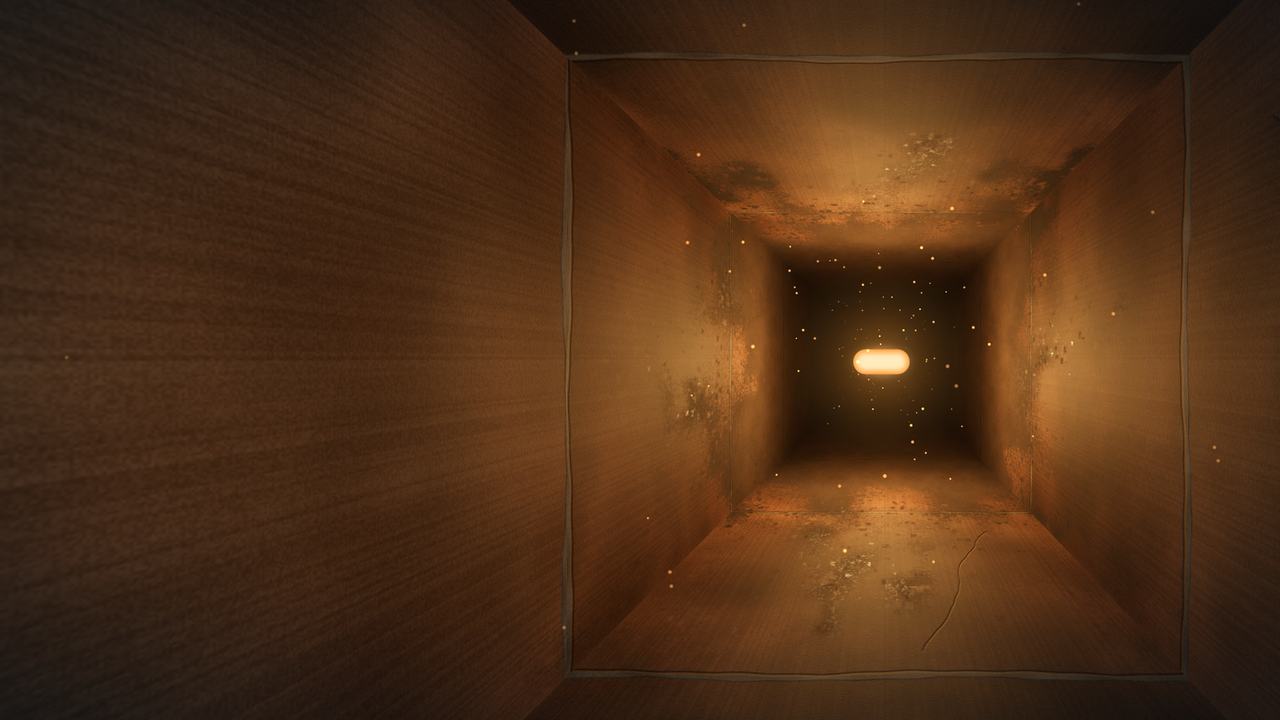
Buying a house with a fireplace in Western New York

Before closing on a house with a fireplace, have the chimney inspected. The Chimney Safety Institute of America says a home inspector sees inside a flue only what a flashlight shows. When you book with ChimneY Royal, tell us that it is for a sale so the scope can be confirmed.

Read the guideSee chimney inspection

Inspect and cleanUpdated 7 min read

Why the chimney needs its own look

Many houses around here are old. Census Bureau estimates for 2020 to 2024 show that 61.0% of housing units in the City of Buffalo and 53.7% in the City of Rochester were built in 1939 or earlier. The national figure is 11.7%.

A chimney that has stood on an old house for decades has spent a long time outdoors. A federal housing inspection guide notes that chimneys have greater exposure to the weather than most parts of a building. The National Weather Service describes Western New York winters as changeable, with frequent thaws. The Chimney Safety Institute of America (CSIA) explains what that does to masonry: moisture that has soaked in freezes, expands and stresses the material.

The usual home inspection does not settle the question. CSIA says a home inspector does not look at the interior of a flue beyond what can be seen with a flashlight. That is CSIA’s description of home inspections in general, not a comment on any one inspector. It means the inside of the flue may be the part nobody has checked when you sign.

What NFPA 211 says about a sale or transfer

NFPA 211 is the National Fire Protection Association’s standard for chimneys, fireplaces and vents. It sorts inspections into three levels. CSIA, describing the standard for homeowners, says a Level 2 inspection is “required upon the sale or transfer of a property”. CSIA’s 2019 procedure for sweeps uses a softer word: it says a Level 2 is recommended when a property is being sold.

As CSIA describes it, a Level 2 under the standard goes past what is in plain view. It includes a visual inspection of the inside of the flue liners, by video scan or other means, and the accessible parts of the chimney in the attic, the crawl space and the basement. Nothing permanently attached is removed. Our guide to chimney inspection levels covers all three.

Two cautions. NFPA 211 is a standard, not a statute, so whether your purchase requires an inspection is a question for your attorney, your lender and your insurer. And a name on a price list is not the standard. ChimneY Royal has a Level 2 inspection at $99, and we do not present it as the inspection a sale requires. If you need an inspection for a sale, tell us when you book so the scope can be confirmed.

What the seller’s disclosure covers

New York Real Property Law section 462 sets out a property condition disclosure statement for sellers of residential real property. The seller is to deliver it before the buyer signs a binding contract of sale. One of its questions asks whether there are known material defects in the chimney, fireplace or stove. The same list includes the heating system and the carbon monoxide and smoke detectors.

Read it for what it is. The form tells the seller to answer from actual knowledge, and a seller who never lit the fireplace may know very little. The statement itself says it is not a warranty of any kind and not a substitute for inspections or tests, and it encourages the buyer to obtain independent professional inspections. Your attorney can tell you how the statement applies to your purchase.

What you can check yourself, crown to hearth

Look from the ground outside and from the floor inside, with binoculars and a flashlight. A federal inspection guide tells inspectors to examine what they can with binoculars when a chimney is not readily accessible. You are collecting questions, not diagnosing anything.

Outside, from the top down:

  • The cap. Is there a cover over the flue opening? CSIA notes that an open flue can collect rainwater and funnel it into the chimney, and that a cap keeps birds and animals from nesting inside.
  • The crown. This is the masonry top around the flue. The same federal guide says that if the cement wash on a chimney top is extensively cracked or spalled, or shows rust stains, it should be replaced.
  • The stack. Does it stand straight? The guide also says unstable chimneys, and those with a noticeable lean, should be dismantled and rebuilt.
  • The mortar joints. The Brick Industry Association lists crumbling mortar, voids, cracks and mortar eroded by more than 1/4 inch as conditions that call for repointing.
  • The brick faces. Flaking is called spalling. A CSIA article explains it as water that soaked into the masonry, froze and popped the face of the brick off.
  • White deposits. The Brick Industry Association calls this efflorescence: deposits left when moisture carrying dissolved salts evaporates.
  • The flashing. CSIA defines flashing as the seal between the roofing and the chimney.

Inside:

  • Ceilings and walls near the chimney. CSIA says water that gets past the flashing can damage ceilings and walls. Look for stains.
  • The firebox and hearth. Look at the brick and the mortar joints.
  • The damper. CSIA describes it as a hinged metal plate or valve that seals the fireplace when it is not in use. CSIA says it is important to understand how to work your damper, so ask the seller to show you. CSIA notes that water in a chimney rusts steel and cast iron parts.
  • The carbon monoxide alarm. New York Executive Law section 378 calls for an operable carbon monoxide detector in homes that have appliances that may emit carbon monoxide, or an attached garage.
  • A gas fireplace. It needs a different check. One manufacturer, Heat & Glo, says to have the chimney and fireplace professionally inspected at least once a year. Our gas fireplace inspection is a check of burner, logs, pilot, controls and venting. The price is on request.

CSIA suggests asking for a Level 2 inspection if you have just moved in, so plan the inspection before the first fire.

Questions to ask the seller

Ask through your agent or your attorney, and ask for paperwork where it exists.

  1. When was the chimney last inspected and swept? CSIA quotes NFPA 211 as calling for an inspection at least once a year, even for a chimney that is used very little.
  2. What vents into it? Utility gas is the main heating fuel in 86.8% of occupied homes in Erie County and 74.6% in Monroe County, according to the Census Bureau. CSIA says chimneys that serve gas appliances should be checked too, because debris can block the flue and modern furnaces can have trouble venting into flues meant for older ones.
  3. Has an appliance been added or replaced? A wood stove, an insert, a new furnace. New York Executive Law section 378 says an owner must first secure a building permit before installing a solid fuel burning heating appliance, chimney or flue. Ask whether there was a permit.
  4. Has there ever been a chimney fire? CSIA says the damage from a chimney fire often cannot be seen from above or below, and advises against using the chimney until it has been swept and evaluated.
  5. Is the flue lined, and with what? CSIA gives a liner three jobs: keeping heat from the combustible parts of the house, protecting the masonry from corrosive byproducts, and giving the appliance a correctly sized flue.
  6. Has the chimney leaked, and what was repaired? Repointing, a new crown, a cap, flashing work, a rebuild. Ask when, and by whom.

Book the inspection and say it is for a sale

ChimneY Royal’s chimney inspection page lists two inspections. The Level 1 inspection costs $69. It is a basic visual inspection of the readily accessible chimney and fireplace components, checking for visible damage, deterioration and safety concerns. No internal camera inspection is included. The Level 2 inspection costs $99. It is a visual assessment plus an internal camera examination where accessible, and an evaluation for visible signs of water intrusion, leaks and masonry deterioration. It is not a comprehensive leak test and does not guarantee that a leak will be found.

When you book a visit, tell us that it is for a sale so the scope can be confirmed. If a lender, an insurer or the contract asks for an inspection in particular words, pass those words on. Arrange access with the seller through your agent. After a request, the team calls back as soon as possible to confirm the appointment. New customers get 15% off: tick the new customer box in the form, or say so when we call.

If the inspection finds a problem

We explain what we see and what it will cost before work starts, and we recommend the smallest repair that solves the problem. The price of a repair is on request.

A finding before closing is something concrete to take to your attorney and the seller. The work itself is on the chimney repair page: brick and mortar repair, crown repair, caps, leak repair and rebuilding. Repairs are planned with Western New York freeze and thaw cycles in mind.

Three safety rules for the first winter

  • Gas smell: leave the house and call the gas utility or 911. Call from a different location, outside the house.
  • Carbon monoxide alarm: get to fresh air and call 911.
  • Signs of a chimney fire: get out and call 911. Among the signs CSIA lists are a loud cracking and popping noise, a lot of dense smoke and an intense, hot smell.

Key takeaways

The short version of this guide.

  • A home inspector does not look at the inside of a flue beyond what a flashlight shows, according to the Chimney Safety Institute of America.

  • CSIA says NFPA 211 calls for a Level 2 inspection when a property is sold or transferred. NFPA 211 is a standard, not a statute, so ask your attorney what your purchase requires.

  • New York's property condition disclosure statement asks the seller about known defects in the chimney, fireplace or stove, and says it is not a substitute for inspections.

  • From the ground and the living room you can check the cap, the crown, the mortar, the brick, the flashing, the damper and any stains near the chimney.

  • When you book with ChimneY Royal, say that the inspection is for a sale so the scope can be confirmed.

Questions

Asked about this topic, answered directly.

Is a chimney inspection required when you buy a house in New York?

The Chimney Safety Institute of America (CSIA) says NFPA 211, the national standard for chimneys, calls for a Level 2 inspection upon the sale or transfer of a property. NFPA 211 is a standard, not a statute, so ask your attorney, your lender and your insurer what your purchase requires. When you book with us, tell us it is for a sale so the scope can be confirmed.

Does a home inspection cover the chimney?

Only in part. CSIA says a home inspector does not look at the interior of a flue beyond what can be seen with a flashlight. The inside of the flue liner is the part a chimney inspection with a camera is meant to look at.

Does a seller have to disclose chimney problems in New York?

New York Real Property Law section 462 sets out a property condition disclosure statement that asks the seller about known material defects in the chimney, fireplace or stove. The seller answers from actual knowledge, and the statement says it is not a warranty and not a substitute for inspections. Ask your attorney how it applies to your purchase.

How much does a chimney inspection cost before buying a house?

ChimneY Royal's price list has a Level 1 inspection at $69 and a Level 2 inspection at $99, which adds an internal camera examination where accessible. New customers get 15% off: tick the new customer box in the form, or say so when we call. If the inspection is for a sale, tell us when you book so the scope can be confirmed.

Can I use the fireplace as soon as I move in?

Plan an inspection before the first fire. CSIA suggests asking for a Level 2 inspection if you have just moved in or it has been a while since the chimney was inspected, and it quotes NFPA 211 as calling for an inspection at least once a year.

What if the inspection finds damage?

We explain what we see and what it will cost before work starts, and we recommend the smallest repair that solves the problem. The price of a repair is on request. How a finding affects the sale is for you, the seller and your attorney.

We recommend the smallest repair that solves the problem.

The services behind this guide

Repairs are priced on request. We explain what we see and what it will cost before work starts.

Sources

18 sources
  1. CSIA says a Level 2 inspection is required upon the sale or transfer of a property, describes what a Level 2 includes, says a home inspector does not look at the interior of the flue beyond what can be seen with a flashlight, and suggests a Level 2 inspection for people who have just moved in.

    Chimney Safety Institute of America (CSIA), Levels of inspectioncsia.org

  2. CSIA's procedure for sweeps says a Level 2 inspection is recommended when a property is being sold.

    CSIA standard operating procedure, Level 2 inspection, masonry chimney (2019)web.csia.org

  3. The seller delivers the statement before the buyer signs a binding contract of sale. It asks about known material defects in the chimney, fireplace or stove, the heating system and the carbon monoxide and smoke detectors. The seller answers from actual knowledge, and the statement says it is not a warranty, is not a substitute for inspections or tests, and encourages the buyer to obtain independent professional inspections.

    New York Real Property Law section 462, property condition disclosure statementnysenate.gov

  4. 61.0% of housing units in the City of Buffalo and 53.7% in the City of Rochester were built in 1939 or earlier, against 11.7% in the United States. Utility gas is the main heating fuel in 86.8% of occupied homes in Erie County and 74.6% in Monroe County.

    US Census Bureau, American Community Survey 2020 to 2024, table DP04data.census.gov

  5. Winters in Western New York are changeable and include frequent thaws.

    National Weather Service Buffalo, Buffalo climate narrativeweather.gov

  6. Chimneys have greater exposure to the weather than most building elements. If the cement wash on a chimney top is extensively cracked or spalled, or shows rust stains, it should be replaced. Unstable chimneys or those with a noticeable lean should be dismantled and rebuilt. Where a chimney is not readily accessible, the guide tells the inspector to examine what can be seen with binoculars from the highest vantage point available.

    US Department of Housing and Urban Development, Residential rehabilitation inspection guide (2000)huduser.gov

  7. Moisture that has penetrated masonry freezes and expands. An open flue can collect rainwater, and a cap keeps birds and animals out. Flashing is the seal between the roofing and the chimney, and water that gets past it can damage ceilings and walls. Water in a chimney rusts steel and cast iron parts.

    CSIA, Water and masonry (archived March 18, 2024)web.archive.org

  8. Mortar erosion of more than 1/4 inch, crumbling mortar, voids and cracks call for repointing. Efflorescence is a white deposit left when moisture carrying dissolved salts evaporates.

    Brick Industry Association, Technical Notes 46, Maintenance of brick masonry (2017)gobrick.com

  9. Spalling comes from water absorbed into the masonry: when the water freezes it pops the faces of the brick off.

    CSIA blog, Rain water and common chimney issues in spring (archived January 27, 2023)web.archive.org

  10. CSIA quotes NFPA 211 as calling for inspection at least once a year, even for a little-used chimney. Chimneys serving gas appliances should be checked too. The damper is a hinged metal plate or valve that seals the fireplace when it is not in use.

    CSIA, Homeowner resourcescsia.org

  11. Liners protect the house from heat transfer to combustibles, protect the masonry from corrosive byproducts and provide a correctly sized flue.

    CSIA, Chimney liners (archived June 15, 2023)web.archive.org

  12. An owner must first secure a building permit before installing a solid fuel burning heating appliance, chimney or flue in a dwelling. An operable carbon monoxide detector is required in dwellings that have appliances that may emit carbon monoxide or an attached garage.

    New York Executive Law section 378nysenate.gov

  13. After a chimney fire, do not use the chimney until it has been swept and evaluated by a qualified chimney professional. The damage often cannot be seen from above or below.

    CSIA, What you need to know after a chimney firecsia.org

  14. The manufacturer says to have the chimney and fireplace professionally inspected at least once a year.

    Heat & Glo, Fireplace safetyheatnglo.com

  15. If you smell gas, leave the premises immediately and contact the utility or call 911 from a different location.

    National Fuel, Gas safetynationalfuel.com

  16. When a carbon monoxide alarm sounds, move outside to fresh air immediately and call emergency services, the fire department or 911.

    US Consumer Product Safety Commission, Carbon monoxide questions and answerscpsc.gov

  17. Signs of a chimney fire include loud cracking and popping, a lot of dense smoke and an intense, hot smell.

    CSIA, Preventing chimney firescsia.org

  18. On signs of a chimney fire, get everyone out of the house quickly and call 911.

    Portland Fire and Rescue, Chimney and wood stove safetyportland.gov

Ready for winter, crown to hearth.

A Level 1 visual inspection for $69, or a Level 2 inspection with an internal camera where accessible for $99.

Book a visit

After a request, the team calls back as soon as possible to confirm the appointment.

A phone number or an email. One is enough.

What you have noticed, and the days or times that suit you. For a home sale, a new appliance or after a fire, say so here so the scope can be confirmed.

We use your details only to answer this request. See the privacy page.

Ask ChimneY Royal

Ask ChimneY Royal

Assistant:

I am ChimneY Royal's automated assistant. I answer from our price list and guides. For an emergency call 911.

Suggested questions

Please do not type your name, phone or address here. The booking form is the place for them.