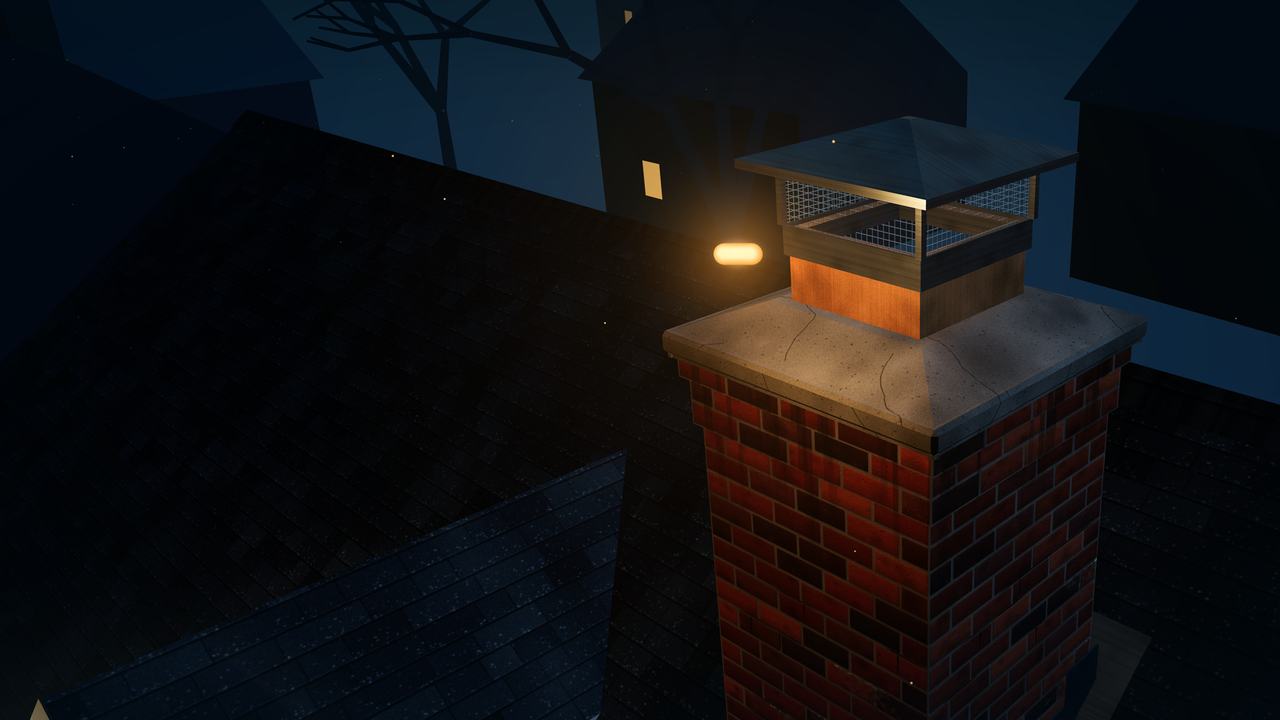
Chimney leak repair in Buffalo and Rochester, NY
Chimney leak repair from ChimneY Royal covers Buffalo, Rochester and nearby towns, and the price is on request. Water can get in at the cap, the crown, the flashing or the brick and mortar, and the cause decides the repair. We explain what we see and what it will cost before work starts.
Chimney leak repair
Price on request
We explain what we see and what it will cost before work starts.
How you get the price: ask in your request, on a call or on WhatsApp.
15% off for new customers. See the whole price list
Signs you need this
Water stains on a ceiling or wall near the chimney.
Water streaks or rust inside the firebox, or a rusted damper.
White deposits or dark stains on the outside of the chimney.
A cracked crown, or a cap that is missing or rusted.
A musty, damp smell at the fireplace, or a strong odor from a wood-burning fireplace.
Crumbling mortar joints, or brick faces that are flaking off.
Included, and not included
Included
- An explanation of what we see and what it will cost, before work starts
- A recommendation of the smallest repair that solves the problem
- A callback to confirm the appointment, as soon as possible after your request
Not included
- A chimney inspection or a cleaning. The Level 1 ($69), the Level 2 ($99) and the sweep ($199) are separate lines on our price list.
- A comprehensive leak test. The Level 2 inspection ($99) is not a comprehensive leak test and does not guarantee that a leak will be found.
- A guarantee that the source of a leak will be found.
- The repair itself. Its price is on request.
What we check
The cap
The Chimney Safety Institute of America says a flue opening can collect rainwater and funnel it directly to the chimney interior.
The crown
CSIA says crowns made from common mortar mix crack, chip or deteriorate in the weather.
The flashing
CSIA says water that gets past the flashing can damage ceilings and walls and rot rafters.
Brick and mortar joints
CSIA says deteriorated mortar joints are entry spots for water, and that mortar becomes much more absorbent as it deteriorates.
Condensation in the flue
Not every wet chimney is a rain leak. CSIA says high-efficiency gas furnaces produce fumes with high levels of water vapor.
We recommend the smallest repair that solves the problem.
How a visit works
Step 1: Send a request
Send a request from the booking page and tell us where you see water and when. If you are a new customer, tick the new customer box in the form for 15% off, or say so when we call.
Step 2: We call back
After a request, the team calls back as soon as possible to confirm the appointment.
Step 3: You hear the price first
Nothing starts until you know what we found and what the repair will cost.
Step 4: A repair that fits the cause
Our advice is the smallest repair that fixes it, planned with Western New York freeze and thaw cycles in mind.
Step 5: You decide
You decide whether to go ahead once you know the cost.
Do not wait for a visit
Updated
Where chimney leaks usually come from
The U.S. Department of Housing and Urban Development (HUD) notes in its residential inspection guide that chimneys have greater exposure to the weather than most parts of a building. Water can get in at several places, and each one calls for a different repair.
The cap
The cap, also called a rain cover, sits over the flue opening. The Chimney Safety Institute of America (CSIA) says a flue opening can collect rainwater and funnel it directly to the chimney interior, and it calls a cap probably the most inexpensive preventive measure a homeowner can use against water penetration. See chimney caps.
The crown
The crown, which CSIA also calls the chimney wash, is the top element of a masonry chimney. It covers and seals the top from the flue liner to the chimney edge. The Residential Code of New York State titles its section on this part “chimney caps”, so the two words get mixed up.
CSIA says a crown should slope so that water runs from the flue to the edge, and that crowns made from common mortar mix crack, chip or deteriorate in the weather. HUD’s guide says a failed top lets water into the masonry below and exposes it to freeze and thaw cycles. See chimney crown repair.
The flashing
Flashing is the seal between the roofing and the chimney. CSIA says water that gets past it can damage ceilings and walls and rot rafters, and a CSIA article on spring leaks says many chimney leaks are flashing related. Where roof runoff is directed against a chimney, CSIA recommends a cricket, a water deflector that steers rain around it, on chimneys more than 30 inches wide.
Brick and mortar
CSIA compares common brick to a sponge that absorbs water and wicks moisture toward the inside of the chimney. It says deteriorated mortar joints are entry spots for water and that mortar becomes much more absorbent as it deteriorates. See chimney tuckpointing.
Condensation inside the flue
Not every wet chimney is a rain leak. Utility gas is the main heating fuel in 86.8 percent of occupied homes in Erie County and 74.6 percent in Monroe County, according to the Census Bureau’s 2020 to 2024 American Community Survey. CSIA says high-efficiency gas furnaces produce fumes with high levels of water vapor, and that modern furnaces can have problems when they vent through flues intended for older furnaces. A CSIA article notes that furnace flues can have moisture condensing in them for years, and that furnace or boiler flue leakage can cause water problems, with moisture stains on the chimney and in the home.
White staining is a related clue. The Brick Industry Association describes efflorescence as the white deposits left when moisture carrying dissolved salts evaporates. The same CSIA article says that on chimneys that moisture is often from flue gases, not rain.
Why a chimney leak can be hard to trace
Water does not stay where it enters, and from crown to hearth there is a lot of chimney for it to travel through.
- It moves. CSIA describes brick wicking moisture to the chimney interior, and water that gets past the flashing running down the chimney into living spaces.
- It can have more than one source. A cracked crown and worn mortar joints can let water in at the same time.
- It may not be the chimney. CSIA points out that damaged or overflowing gutters, and downspouts that empty near or on the chimney, can put water in places that look like a chimney leak.
- It depends on the weather. CSIA has noted that spring rains can reveal leaks that stayed hidden in earlier months.
That is why we do not promise to find the source of every leak. When you book, tell us where the water appears, and whether it follows heavy rain, a thaw, or a cold spell when the furnace runs a lot.
How the cause decides the repair
The repair depends on which part let the water in. The notes below are general guidance from the sources listed on this page, not a quote for your chimney.
| What is letting water in | What the repair usually involves |
|---|---|
| A missing or failed cap | A cap that covers the flue opening. |
| A cracked crown | A CSIA article says a crown that seems solid and is only cracked can get a flexible application, and one that is falling apart should be torn off and replaced. |
| Worn mortar joints | Repointing. CSIA describes cutting the old joint to an appropriate depth and repacking it with new mortar. |
| Broken or flaking brick | The Brick Industry Association says replacing the damaged brick may be necessary. An unstable chimney is a chimney rebuilding question. |
| Flashing | Repair or replacement of the seal where the roof meets the chimney. We explain what we see, including when it points to the roof. |
| Condensation | Often a venting question rather than a rain leak. CSIA says furnace flues are often left out when a heating appliance is replaced, inspected or removed. If an appliance was replaced, tell us when you book so the scope can be confirmed. |
One caution: CSIA says waterproofing is a preventive step, that existing gaps, cracks and missing mortar should be repaired first, and that paint or clear sealers should never be used, because they trap moisture inside the chimney.
We recommend the smallest repair that solves the problem, which only works when the repair matches the cause. See also chimney repair.
Why Buffalo and Rochester winters are hard on a wet chimney
CSIA explains the mechanism: moisture that has soaked into masonry freezes and expands, which stresses the material. A CSIA article describes the visible result, called spalling, as freezing water popping the faces off the brick.
The local climate supplies both halves of that cycle. NOAA’s 1991 to 2020 climate normals show 123.7 days a year with a low at or below 32 F in Buffalo and 128.8 in Rochester. The National Weather Service describes winters in both areas as changeable, with frequent thaws and rain. Normal annual snowfall for the same 1991 to 2020 period is 95.4 inches in Buffalo and 102.0 inches in Rochester, and CSIA notes that flashing has to keep out snow melt as well as rain.
The housing is old, too. The Census Bureau’s 2020 to 2024 American Community Survey estimates that 61.0 percent of housing units in the City of Buffalo and 53.7 percent in the City of Rochester were built in 1939 or earlier.
This is why our repairs are planned with Western New York freeze and thaw cycles in mind. Read more in chimney leaks and freeze and thaw in Western New York, or see our pages for Buffalo and Rochester.
How leak repair pricing works
The price of leak repair is on request. We explain what we see and what it will cost before work starts, and we recommend the smallest repair that solves the problem. After a request, the team calls back as soon as possible to confirm the appointment. Leak repair is not on our fixed price list, because the cost depends on what is letting the water in. See chimney repair for the whole repair list.
The Level 2 chimney inspection costs $99. It is a visual assessment plus an internal camera examination where accessible, and an evaluation for visible signs of water intrusion, leaks and masonry deterioration. It is not a comprehensive leak test and does not guarantee that a leak will be found. If you need an inspection for a home sale, a new appliance or after a fire, tell us when you book so the scope can be confirmed.
Two things we will not tell you: that we are certain to find where a leak starts, or that one repair is certain to end it.
New customers get 15% off: tick the new customer box in the form, or say so when we call. See pricing for every published price, or request a visit.
When to call someone right away
Some things should not wait for an appointment.
- A carbon monoxide alarm sounds. Get to fresh air and call 911.
- You smell gas. Leave the house, then call your gas utility or 911.
- You see or hear signs of a chimney fire. Get out and call 911. CSIA lists loud cracking and popping, a lot of dense smoke, an intense hot smell and a low rumbling sound.
Water damage connects to the first of these. CSIA lists a cracked or deteriorated flue lining among the damage water can do, and names damaged or deteriorating flue liners among the problems that can let toxic gases into a house.
A chimney that leans or has loose brick should not be put off either. CSIA lists loose masonry among the threats a weather-damaged chimney poses to residents, and HUD’s guide says an unstable chimney or one with a noticeable lean should be dismantled and rebuilt.
See also chimney cap, crown and flashing explained and signs your chimney needs repair.
Questions
How much does it cost to fix a chimney leak?
The price of leak repair is on request, and it depends on what is letting the water in. We explain what we see and what it will cost before work starts. A cap, a crown repair and brick and mortar work are different jobs, so we do not publish one number for a leak.
Will insurance cover a leaking chimney?
That depends on your policy, and only your insurer or agent can answer it. We cannot say what a policy covers. We explain what we see and what the repair will cost before work starts, so you have the facts for that conversation.
What should I do if my chimney is leaking inside my house?
Note where the water shows up and when: during heavy rain, during a thaw, or in a cold spell when the furnace runs a lot. Then send a request from the booking page and tell us what you noticed. If a carbon monoxide alarm sounds at any point, get to fresh air and call 911.
Is it normal for chimneys to leak during heavy rain?
No. A masonry chimney has parts whose job is to keep rain out: the Chimney Safety Institute of America describes the cap over the flue, the crown that seals the top and the flashing that seals the joint with the roof. Brick absorbs water, and CSIA compares common brick to a sponge, so the outside can look wet after rain. Water inside the house or the firebox is different and means something needs attention.
Is it normal for chimneys to leak a little water?
No, a small leak is still a leak. The Chimney Safety Institute of America says every masonry chimney material except stone deteriorates faster with prolonged contact with water, and that water rusts steel and cast iron parts. Send a request and tell us what you see. We recommend the smallest repair that solves the problem.
Do I need a Level 2 chimney inspection to find a leak?
Not necessarily. The price of leak repair is on request, and we explain what we see before work starts. The Level 2 inspection costs $99 and adds an internal camera examination where accessible and an evaluation for visible signs of water intrusion, leaks and masonry deterioration. It is not a comprehensive leak test and does not guarantee that a leak will be found.
Do roofers fix chimneys?
Some leaks near a chimney are roof problems and some are chimney problems. The flashing is the seal between the roofing and the chimney, so it sits where the two trades meet. Chimney repair is what we do, and we explain what we see, including when it points to the roof.
Where can I find chimney repair services in Rochester, NY?
ChimneY Royal serves Buffalo, Rochester, Amherst, Williamsville, Tonawanda, Depew, Orchard Park, Hamburg and surrounding Western New York. The price of leak repair is on request, and you can send a request from the booking page.
Sources
14 sources
How the cap, crown, flashing, cricket and mortar joints keep water out, that brick absorbs water, how freezing damages wet masonry, the damage water does, and that waterproofing comes after repairs.
Chimney Safety Institute of America, Water and your masonry chimney (archived March 18, 2024)web.archive.org
Gutters and downspouts can put water near a chimney, many leaks are flashing related, furnace flues can have moisture condensing in them, furnace or boiler flue leakage can cause moisture stains, white staining on chimneys is often from flue gas moisture, a musty, damp smell can follow water entry, and a crown that is solid but cracked can get a flexible application while one that is falling apart should be replaced.
Chimney Safety Institute of America, Rain, water, and common chimney issues in spring (archived January 27, 2023)web.archive.org
Spring rains can reveal leaks that were hidden in earlier months.
Chimney Safety Institute of America, Seasonal swings in chimney maintenance (archived February 7, 2023)web.archive.org
High-efficiency gas furnaces produce fumes with high levels of water vapor, and damaged or deteriorating flue liners are among the problems that let toxic gases into a house.
Chimney Safety Institute of America, Avoiding carbon monoxide hazardscsia.org
Modern furnaces can have problems when they vent through flues intended for older furnaces.
Chimney Safety Institute of America, Homeowner Resourcescsia.org
The signs of a chimney fire: loud cracking and popping, dense smoke, an intense hot smell and a low rumbling sound.
Chimney Safety Institute of America, Preventing chimney firescsia.org
Chimneys have greater exposure to the weather than most building elements, a failed top lets water into the masonry below and exposes it to freeze and thaw cycles, and an unstable or leaning chimney should be dismantled and rebuilt.
U.S. Department of Housing and Urban Development, Residential Rehabilitation Inspection Guidehuduser.gov
Efflorescence is the white deposit left when moisture carrying dissolved salts evaporates, and broken or heavily spalled brick may need replacing.
Brick Industry Association, Technical Notes 46, Maintenance of Brick Masonrygobrick.com
The code calls the masonry top of a chimney the chimney cap.
2025 Residential Code of New York State, Chapter 10, Chimneys and Fireplacescodes.iccsafe.org
Buffalo averages 123.7 days a year with a low at or below 32 F and Rochester 128.8.
NOAA National Centers for Environmental Information, 1991 to 2020 annual climate normals for Buffalo and Rochesterncei.noaa.gov
Normal annual snowfall is 95.4 inches in Buffalo and 102.0 inches in Rochester.
National Weather Service Buffalo, climate normalsweather.gov
Western New York winters are changeable and include frequent thaws and rain.
National Weather Service Buffalo, Buffalo climate narrativeweather.gov
The Rochester area's winters are described the same way, with frequent thaws and rain.
National Weather Service Buffalo, Rochester climate narrativeweather.gov
The share of housing units built in 1939 or earlier in Buffalo and Rochester, and the share of homes in Erie and Monroe counties that heat mainly with utility gas.
U.S. Census Bureau, American Community Survey table DP04, 2020 to 2024data.census.gov
Ready for winter, crown to hearth.
Leak repair for a chimney that lets water in. Price on request, and the cause decides the repair.
Book a visit
After a request, the team calls back as soon as possible to confirm the appointment.
Your request was not sent.
Check the form and send it again. We need your name, a phone number or an email, and your confirmation at the end.
It has not reached us yet. If it still does not go through, reach us directly.
Your request was sent. See what happens next